


Scientific infrastructure of Kazakhstan
About the collection
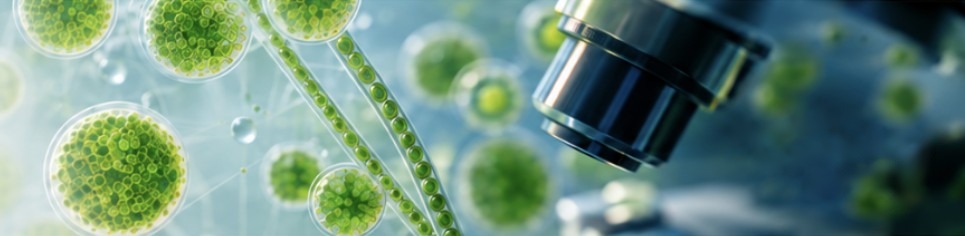
QCCPM, the Qazaqstan Culture Collection of Phototrophic Microorganisms, is a scientific collection of microalgae and cyanobacteria established at Al-Farabi Kazakh National University as part of the work of the AlgaBioTech International Research Center. The collection brings together more than 70 strains and serves to conserve biological diversity and advance biotechnology.
About the collection
Qazaqstan Culture Collection of Phototrophic Microorganisms (QCCPM)
QCCPM holds cultures of microalgae and cyanobacteria obtained from natural ecosystems of Kazakhstan and from partner international collections. The collection is continually expanded with new strains, which are identified and maintained in a viable state for research and biotechnological development.
Collection composition
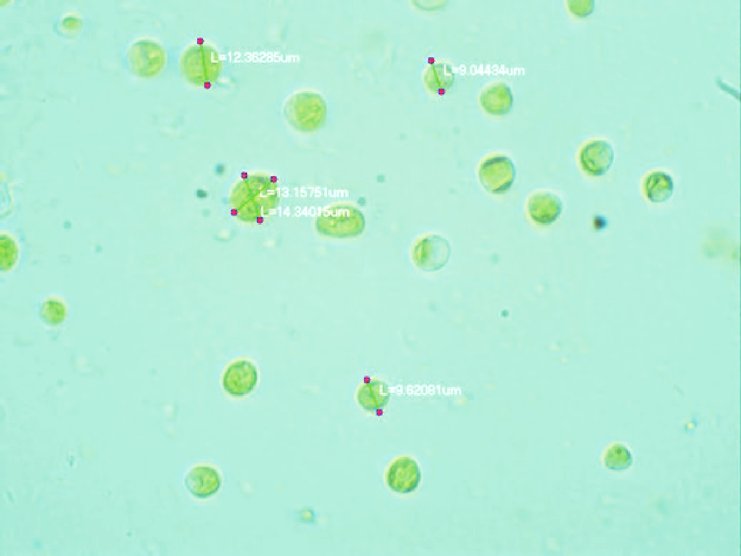
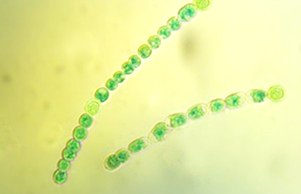
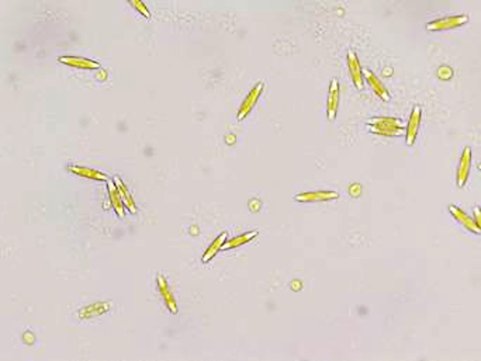
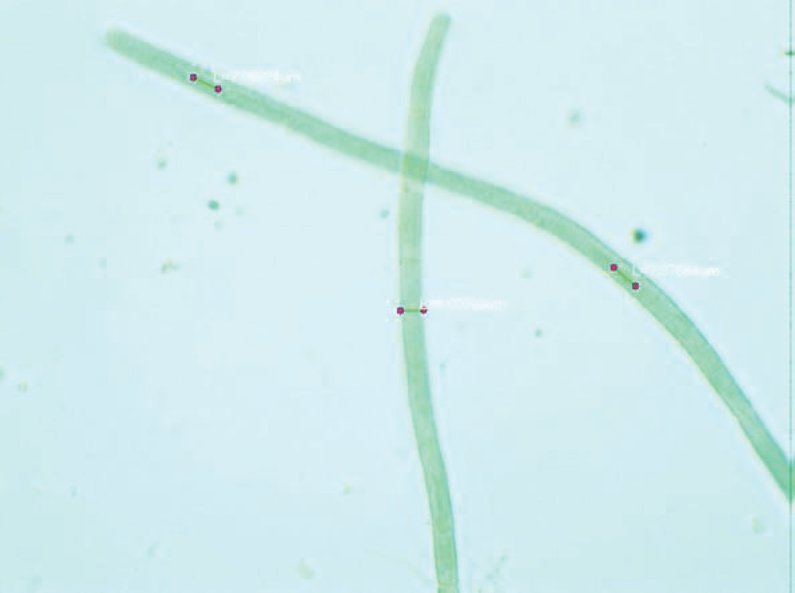
The collection includes microalgae (Chlorophyta, Bacillariophyta, Euglenophyta) and cyanobacteria (Nostoc, Spirulina, Anabaena, Synechocystis and others). The strains differ in taxonomic position, ecology, physiological and biochemical properties, and prospects for practical use.
Scientific significance
Culture collections of phototrophic microorganisms play a key role in conserving biological diversity, provide access to valuable genetic resources, and form the basis for fundamental and applied research in ecology, biotechnology, bioenergy, agriculture and medicine.
Application prospects
The collection’s strains are used to develop biotechnological products, including biofuel and biohydrogen, biological environmental remediation, bioactive compounds, natural pigments, feed biomass and other valuable products. QCCPM contributes to the development of domestic biotechnology and to strengthening Kazakhstan’s scientific potential.

Founder and Scientific Director
Bolatkhan Kazykhanuly Zayadan
Founder and Scientific Director of the Qazaqstan Culture Collection of Phototrophic Microorganisms (QCCPM) at Al-Farabi Kazakh National University, under the Ministry of Science and Higher Education of the Republic of Kazakhstan.
Professor, Department of Biotechnology, Faculty of Biology and Biotechnology, Al-Farabi KazNU, Director of the International Research Center "AlgaBioTech" at Al-Farabi Kazakh National University.
- Doctor of Biological Sciences
- Professor
- Academician of the NAS RK
- Director of AlgaBioTech
Main research areas
From fundamental knowledge to practical solutions
QCCPM strains are used in research and development in the following areas:
Environmental biotechnology and bioremediation
Using microalgae and cyanobacteria to treat wastewater, restore degraded ecosystems and reduce environmental pollution.
Bioenergy and biohydrogen
Searching for and studying producers of hydrogen, lipids and biomass for renewable energy.
Bioactive compounds and functional biomass
Producing and studying biologically active compounds, polysaccharides, lipids, proteins and other valuable products.
Natural pigments and antioxidants
Studying and producing chlorophylls, carotenoids, phycocyanins and other natural pigments of high functional value.
Agrobiotechnology and aquaculture
Developing feed biomass, biopreparations and plant growth stimulants, and advancing aquaculture technologies.
FOREWORD
Microalgae and cyanobacteria are phototrophic microorganisms with considerable biotechnological potential. Their ability to use light energy and inorganic substrates to produce biomass and synthesize target products makes these cultures a promising basis for bioenergy and bioproduction technologies (Zayadan et al., 2021; Sadvakasova et al., 2023).
Despite their functional similarities, microalgae and cyanobacteria belong to different evolutionary lineages. Microalgae are predominantly represented by eukaryotic unicellular and colonial forms, whereas cyanobacteria are prokaryotes that carry out oxygenic photosynthesis. Culture identification currently relies on a combination of morphological, physiological, biochemical and molecular genetic characteristics; 18S rRNA analysis is widely used for eukaryotic microalgae, while 16S rRNA analysis is commonly employed in studies of cyanobacteria (Strunecký et al., 2023; Khaw et al., 2020).
Phototrophic microorganisms inhabit freshwater and marine environments, soils, thermal and saline habitats, and ecosystems altered by industrial activity. Strains of different origins may vary considerably in growth rate, tolerance to temperature and salinity, ability to utilize different nutrient sources, and patterns of target metabolite accumulation. Biotechnological potential must therefore be assessed at the level of individual strains, rather than solely at the genus or species level. Such differences between strains are particularly evident when naturally occurring microalgae are screened for productivity, lipid content and fatty acid profile (Balouch et al., 2023).
The biomass of microalgae and cyanobacteria may contain proteins, carbohydrates, lipids, fatty acids, chlorophylls, carotenoids, phycobiliproteins and other compounds of functional importance. The productivity of these components depends on the genotype of the culture and cultivation conditions, including medium composition, illumination and temperature. Controlled pigment production is of particular interest in cyanobacteria, while lipid-rich and protein-rich biomass production, bioenergy applications and integration into circular biotechnological processes remain important areas for a number of microalgae (Sandybayeva et al., 2022; Sadvakasova et al., 2023).
Culture collections preserve strain diversity and ensure the availability of living material that supports reproducible fundamental and applied research. Maintaining collections requires regular monitoring of culture viability and purity, standardized subculturing conditions, and the use of cryopreservation and other methods for long-term storage (Foo et al., 2023). Strain documentation complements this function by recording the origin, taxonomic status, and morphological, cultural, physiological and biochemical characteristics of each strain.
The collection of microalgae and cyanobacteria at Al-Farabi Kazakh National University (KazNU) brings together cultures of natural origin, cultures obtained through selection, and cultures acquired from other collections, and is maintained as a scientific resource for the study of phototrophic microorganisms. According to the updated collection records, it currently holds more than 70 strains. Historically, the collection has included green microalgae of the genera Chlorella, Dunaliella and Chlamydomonas, as well as cyanobacteria of the genera Spirulina, Nostoc, Synechocystis, Anabaena, Phormidium, Oscillatoria and Synechococcus. Its holdings have been expanded through in-house isolates obtained from various ecosystems of Kazakhstan and cultures received through scientific exchange (KazNU Collection of Microalgae and Cyanobacteria, 2017).
The purpose of this publication is to systematize and synthesize scientific information on the strains maintained in the collection, presenting their taxonomic affiliation, origin, cultural and morphological features, storage conditions, physiological and biochemical characteristics, and biotechnologically important properties. The materials presented provide a comprehensive description of the collection holdings and an information base for the informed selection of cultures for subsequent fundamental research and applied development.
Thus, the combination of living culture preservation and scientific strain documentation allows the KazNU collection to be regarded as a dynamic biological resource. Its significance lies not only in preserving strain diversity but also in linking the origin and biological characteristics of cultures to their experimentally determined functional properties and prospects for practical application.
INTRODUCTION
Culture collections of phototrophic microorganisms are an important component of modern scientific infrastructure, supporting the preservation, documentation and identification of microbial genetic resources and ensuring access to them. They play an important role in the ex situ conservation of microbial biodiversity, taxonomic, physiological and biochemical research, and the discovery and development of new biotechnological products and processes. According to the recommendations of the World Federation for Culture Collections (WFCC), culture collections constitute essential scientific infrastructure for conserving biological resources and advancing biotechnology and the bioeconomy.
Phototrophic microorganisms, including microalgae and cyanobacteria, are of particular interest as promising sources of biomass, biologically active compounds and other high-value-added products. Owing to the diversity of their metabolic pathways, microalgae and cyanobacteria can be used to produce food, feed and pharmaceutical products, biofuels and other biological products. Current research also considers phototrophic microorganisms promising candidates for environmental biotechnology applications, such as bioremediation and environmental monitoring.
The Qazaqstan Culture Collection of Phototrophic Microorganisms (QCCPM) currently comprises more than 70 strains. Its holdings consist mainly of green microalgae belonging to the genera Chlorella, Dunaliella and Chlamydomonas, and cyanobacteria represented primarily by the genera Spirulina, Nostoc and Synechocystis. This taxonomic diversity provides a basis for comparative studies of the physiological, biochemical and biotechnological properties of different groups of phototrophic microorganisms.
Strains isolated from natural environments in Central Asia are of particular importance to the collection. QCCPM includes cultures isolated from soil and water samples collected for algological studies in Kazakhstan. The collection has been supplemented with strains obtained from the IPPAS and CALU collections in the Russian Federation, the CCALA collection in the Czech Republic, and the Chlamydomonas collection at Duke University in the United States. Alongside natural isolates, it also maintains mutant strains of microalgae and cyanobacteria obtained through mutagenesis and selection. QCCPM supports comprehensive research into the molecular genetic taxonomy, biology, ecology, physiology and biochemistry of microalgae and cyanobacteria.
The availability of natural isolates obtained from different ecological settings and genetically modified cultures broadens the scope for identifying strains with valuable physiological and metabolic traits. Reliable culture identification and the maintenance of culture stability are also essential for their further use in fundamental and applied research. In microalgal biotechnology, culture quality and stability, together with the control of associated microbiota, are particularly important because these factors can significantly affect the reproducibility of experimental results and the technological characteristics of strains.
QCCPM supports comprehensive research into the molecular genetic taxonomy, biology, ecology, physiology and biochemistry of microalgae and cyanobacteria. Particular attention is given to studying the morphological, cultural, physiological, biochemical and molecular genetic characteristics of isolated strains, as well as to assessing their biotechnological potential.
One of the priority research areas is the identification and screening of promising phototrophic microorganism cultures capable of producing valuable biologically active compounds. Products with high potential include pigments, lipids, polysaccharides, proteins, antioxidants and other biologically active metabolites. The resulting biomass can also be considered a raw material for the production of feed products, dietary supplements, biofertilizers and biofuels. Modern microalgal cultivation technologies are aimed at increasing biomass productivity and efficiently obtaining target biological products.
Another promising area is the use of phototrophic microorganisms in environmental biotechnology. Their ability to assimilate inorganic compounds, participate in the transformation of various pollutants and simultaneously produce valuable biomass enables microalgae and cyanobacteria to be used in technologies for the bioremediation of contaminated water and soil. This is particularly relevant to Kazakhstan, where the diversity of natural ecosystems and the presence of areas exposed to anthropogenic pressure create a need to identify biological resources adapted to local conditions for environmental monitoring and the restoration of degraded ecosystems.
Thus, QCCPM is not only a culture collection of phototrophic microorganisms but also a research platform for conserving microbial biodiversity, conducting taxonomic studies, discovering new biologically active compounds and developing applied biotechnologies. International experience shows that developing culture collections and improving the quality of their documentation, identification and preservation systems are important for expanding access to biological resources and ensuring their effective use in scientific research and technological development.
The aim of this study is to characterize the current composition of QCCPM, systematize the phototrophic microorganism cultures represented in the collection, and assess their scientific and biotechnological potential for further use in fundamental and applied research.
Environmental biotechnology was one of the earliest research areas to develop systematically. Active research focused on studying natural microalgal communities as indicators of aquatic environmental conditions and assessing their contribution to biological wastewater treatment. These studies identified 149 species and intraspecific taxa of microalgae at wastewater treatment facilities in Almaty, established the bioindicative significance of their species composition, and demonstrated that tolerant representatives such as Chlorella vulgaris and Scenedesmus obliquus actively participate in the uptake of organic compounds and nutrients. The findings were summarized in the Candidate of Sciences dissertation entitled “The Role of Microalgae in the Bioindication and Treatment of Polluted Wastewater in Almaty.” Thus, the scientific basis for using microalgae simultaneously as bioindicator and bioremediation organisms was established at an early stage.
The subsequent development of this research area involved the targeted development of cultures resistant to toxic pollutants. Cadmium-resistant strains of Chlamydomonas reinhardtii were obtained through induced mutagenesis and selection, and their phenotypic, physiological, biochemical and genotypic characteristics were studied. A consortium formed from the mutant cultures and Chlorella vulgaris Z-1 demonstrated high efficiency in removing heavy metal ions: cadmium sorption reached 85%, while zinc and copper sorption reached 100%. These findings formed the basis of the Candidate of Sciences dissertation entitled “Development of Cadmium-Resistant Mutant Strains of Chlamydomonas reinhardtii and Their Use in Environmental Biotechnology.” This environmental research area thus progressed logically from the bioindication of aquatic ecosystems to the development of specialized cultures and consortia for their remediation.
Research in this area subsequently focused on combining wastewater treatment with the production of functional microalgal biomass. A dissertation study entitled “Biological Treatment of Aquaculture Wastewater and Production of Microalgae-Based Feed Supplements for Fish” demonstrated the effectiveness of Chlorella vulgaris SP BB-2 in the bioremediation of aquaculture wastewater. The protein-, carbohydrate- and lipid-rich biomass obtained during cultivation was used as a feed supplement for the tilapia Oreochromis niloticus. These findings enabled water treatment, nutrient recovery and the subsequent use of the cultivated biomass in aquaculture to be integrated into a single technological scheme.
The bioenergy potential of collection cultures is a distinct and systematically developing research area. During the search for lipid producers from extreme habitats, six new cyanobacterial strains were isolated and identified, and their physiological and biochemical properties and fatty acid composition were investigated. High levels of myristic acid and C16 fatty acids were detected in Cyanobacterium sp. IPPAS B-1200. Autoselection yielded Cyanobacterium sp. IPPAS B-1200-2, characterized by high biomass and lipid accumulation and considered a promising feedstock for biodiesel production. These studies were conducted as part of the dissertation entitled “Development of Active Fatty-Acid-Producing Cyanobacterial Strains” and expanded the collection’s capacity to identify energy-producing cultures of industrial importance.
The next stage of bioenergy research focused on the ability of cyanobacteria to produce biological hydrogen. A PhD dissertation defended in 2023, entitled “Screening of Hydrogen-Producing Cyanobacterial Strains and Optimization of Their Cultivation Conditions,” involved comparative screening of collection cultures and newly isolated cultures. The heterocystous strain Anabaena variabilis A-1 exhibited the highest capacity for hydrogen evolution under dark conditions. Optimization of the mineral composition of the culture medium and the combined limitation of nitrogen and sulfur increased hydrogen productivity; the maximum value in BG0-11-S medium was 9.82 µmol H₂/mg chlorophyll/h. A laboratory protocol for biohydrogen production was developed using the selected strain, the culture was deposited in the Republican Collection of Microorganisms under accession number RKM0960, and its use was protected by Utility Model Patent No. 8167. Thus, bioenergy research progressed from assessing the fatty acid composition of phototrophic cultures to strain-based technologies for producing different types of biofuels.
Alongside environmental and energy biotechnology, active research is being conducted on the production of functional biomass and bioactive compounds from phototrophic microorganisms. Work is currently underway on the topic “Investigation of the Potential Effects of Bioactive Substances from Phototrophic Microorganisms on Diabetes Mellitus.” As part of this research, the algal flora of the saline part of Lake Balkhash was investigated, the taxonomic composition of phototrophic organisms was determined, and eight axenic cultures of microalgae and cyanobacteria were isolated. Based on a combination of morphological, cultural, physiological and productivity characteristics, the high-protein strain Spirulina platensis ZBK-2 was selected for further biotechnological studies. This finding broadens the collection’s functional potential for identifying promising cultures for the production of biologically active products.
Research based on the collection is also developing in the areas of natural pigments, feed preparations and agricultural biological products. Methods for obtaining myxoxanthophyll from Oscillatoria subbrevis CZS 2201 and a laboratory protocol for obtaining chlorophyll a from Desertifilum sp. IPPAS B-1214 have been developed. In agricultural biotechnology, the collection strains Nostoc sp. J-14 and Trichormus variabilis K-31 have been used to assess biostimulatory effects on Oryza sativa under salinity stress. These studies demonstrate a transition from culture preservation and preliminary screening to the targeted use of cultures in specific biotechnological processes.
The collection holdings currently provide the biological resource base for the following research projects: АР23485416 (Principal Investigator B. K. Zayadan), АР26101745 (Principal Investigator F. K. Sarsekeeva), АР23488028 (Principal Investigator A. K. Sadvakasova), АРAP23488308 (Principal Investigator N. R. Akmukhanova), АР23485836 (Principal Investigator K. Bolatkhan), АР22685516 (Principal Investigator S. Sandybayeva), international project No. 202ЕО1032 (Principal Investigator B. K. Zayadan), АР22788030 (Principal Investigator M. O. Bauenova) and АР32521343 (Principal Investigator G. A. Akhmetova). The use of collection strains and newly isolated strains within these projects ensures research continuity and links the origin and biological properties of cultures to their functional assessment and practical application.
Thus, the KazNU collection of microalgae and cyanobacteria is developing simultaneously as a biological resource, research infrastructure and the foundation of a scientific school. The continuity of completed dissertation and applied research demonstrates that the collection holdings are not a static set of strains, but a continuously developing experimental platform that integrates bioindication and bioremediation, aquaculture, bioenergy, the production of bioactive substances and natural pigments, and agricultural biotechnology developments. This publication reflects that continuity and systematizes the accumulated information on cultures that form the basis for the further development of photobiotechnology at Al-Farabi Kazakh National University.