


Spirulina platensis ZBK-1m-2
Cyanobacteria › Cyanophyceae › Oscillatoriales › Spirulinaceae › Spirulina
Description
History of Receipt and Isolation
- Country of origin: Russia
- Place of isolation: Peterhof collection of microorganisms (original strain from the algal culture collection of the microbiology laboratory of the Research Institute of Biology, St. Petersburg State University, St. Petersburg (CALU))
- Strain isolated by: Zayadan B.K.
- Last determination: Zayadan B.K. in the Laboratory of Biotechnology of al-Farabi Kazakh National University, 2015
- Year of accession to the collection: 2003
- Method of obtainment: by induced ultraviolet mutagenesis
- Genetic features: light-resistant mutant
- Strain condition: axenic
Morphology and Structure
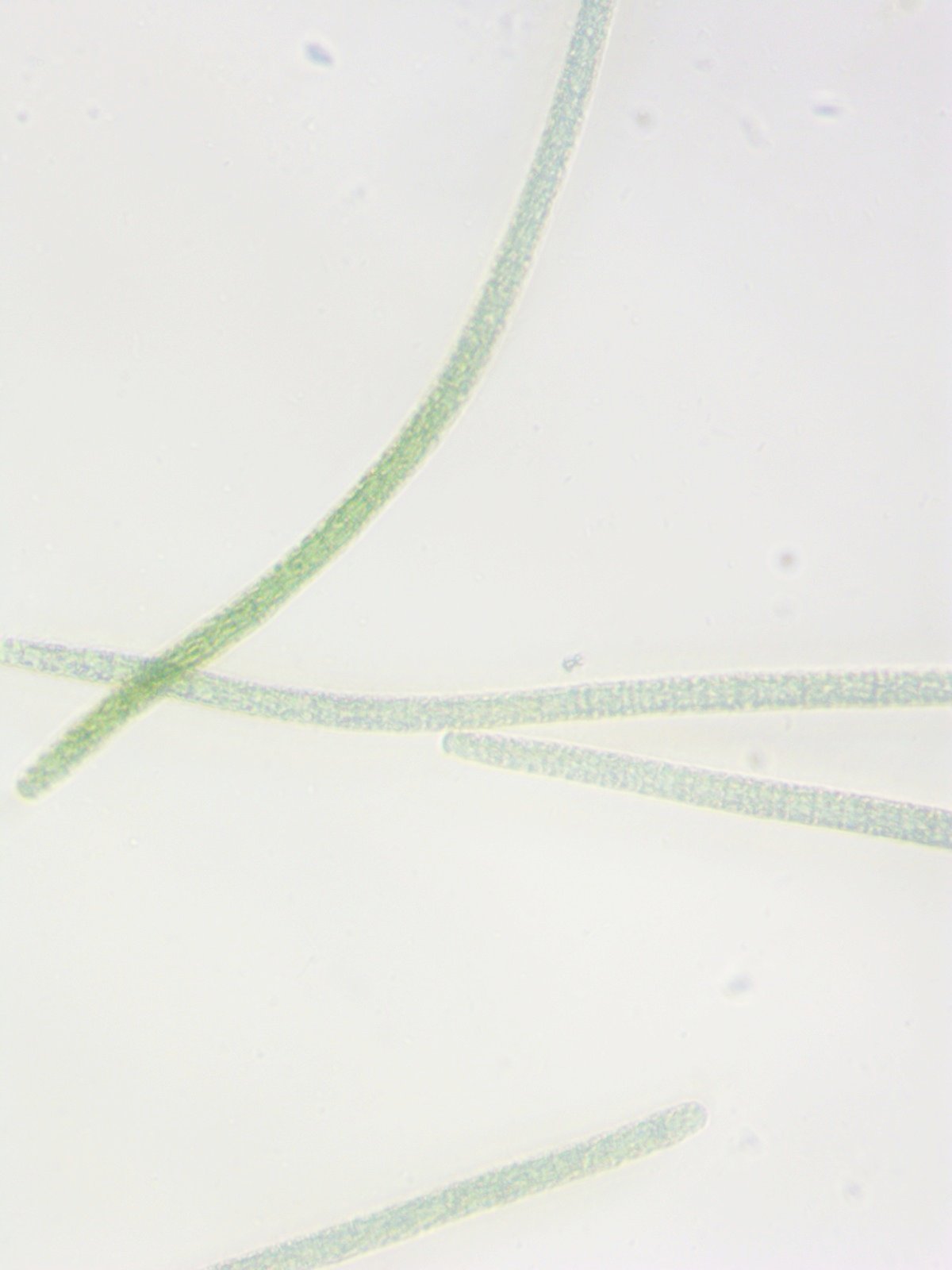
The trichomes are blue-green and spiral-shaped, with a diameter of 1.0–3.0 µm, and a total length ranging from 6.0–20.0 µm. The colonies are of a diffuse type on solid media, which brings it closer to the original parental strain ZBK-1; however, the trichomes consist of more tightly coiled spirals.
Cultivation
- Nutrient Medium: Zarrouk’s medium (liquid and agarized)
- Temperature: 27–30 °C
- Light Intensity: 50–150 µmol photons/m²/s
- Photoperiod: 16:8 h (light/dark)
- pH: 8.0–10.0
Physiological Characteristics
alkaliphile, autotroph; light-resistant mutant.
Long-term Preservation Conditions
maintained on liquid and 1.5–2.0% agarized Zarrouk’s medium. Storage temperature 10–12 °C, light intensity 10–20 µmol photons/m²/s, photoperiod 12:12 h (light/dark). Subculturing is carried out as needed, but at least once every 2–4 months.
Deposition Information
deposited in 2003 into the Republican Collection of Microorganisms of the Republic of Kazakhstan. Registration Number: A-RKM 0114
Field of Application
in fundamental research and biotechnology.